
Navratri – A Festival of Nine Nights, Infinite Devotion
India is often described as the land of festivals, where every season, every region and every community celebrates life with its own unique traditions. Among these many festivals, Navratri shines brightly as one of the most significant, joyous and spiritually uplifting celebrations. The word Navratri comes from Sanskrit, meaning “nine nights,” and as the name suggests, the festival spans nine nights and ten days, each dedicated to honoring the many forms of Goddess Durga. In 2025, Navratri will be observed with the same devotion and grandeur across India, with each part of the country adding its own cultural flavor.
Sharad Navratri will begin on Monday, September 22 with Ghatasthapana (the ritual of invoking Goddess Durga in the household or temple) and will end on Wednesday, October 1 with Navami. The festival will culminate in Vijayadashami, or Dussehra, on Thursday, October 2, symbolizing the final victory of good over evil.
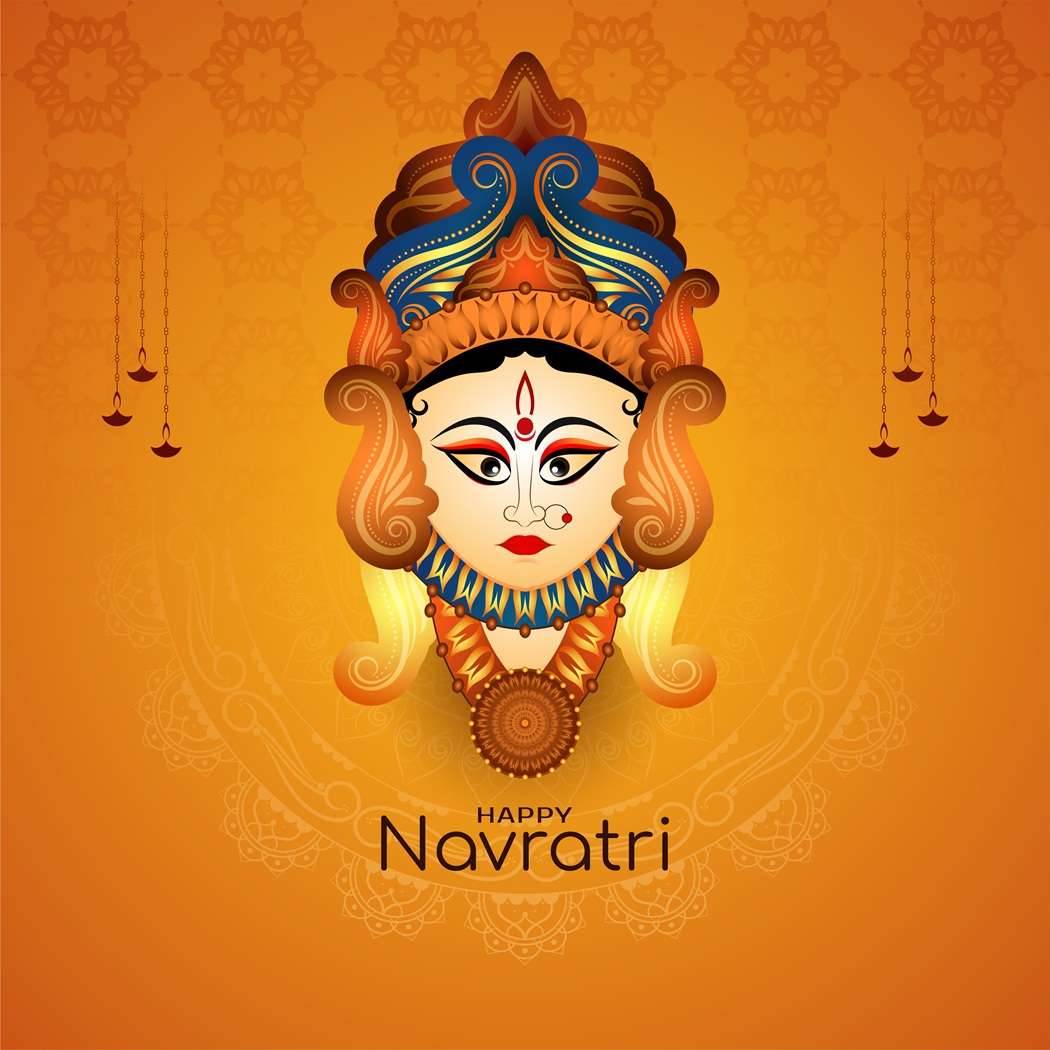
The significance of Navratri lies in its timeless story of valor and righteousness. According to Hindu tradition, it commemorates the victory of Goddess Durga over the buffalo demon Mahishasura, a battle that lasted nine days and nights. Each day of the festival is dedicated to one form of the Goddess—such as Shailaputri, Brahmacharini, Chandraghanta, Kushmanda, Skandamata, Katyayani, Kalaratri, Mahagauri and Siddhidatri—each representing a unique quality like courage, compassion, wisdom and strength. Devotees pray to these forms seeking blessings for health, prosperity and spiritual progress.
The festival is marked by different customs and rituals depending on the region. In many households, devotees observe fasting, consuming only light meals or special foods prepared without onion or garlic, while spending time in prayer and chanting hymns. The first day begins with Ghatasthapana, where a sacred pot or Kalash is placed in the puja area to symbolize the presence of divine energy throughout the nine days. Temples and homes are decorated with flowers, lamps and colorful rangolis, creating an atmosphere filled with devotion and festivity.
While the essence of Navratri remains the same, its celebrations differ beautifully across India. In Gujarat, the nights come alive with Garba and Dandiya Raas, traditional folk dances performed in circles around a sacred lamp or idol. Women and men dress in colorful attire and the air is filled with music, rhythm and joy. In West Bengal and eastern India, Navratri coincides with the grand Durga Puja, where majestic idols of Goddess Durga are installed in artistic pandals. Kolkata, in particular, transforms into a dazzling city of lights and creativity, with people thronging the streets to admire the artistry, attend cultural programs and immerse themselves in the festive spirit before the idols are bid farewell in river immersions.
In northern India, Navratri is observed through the staging of Ramlila, where episodes from the life of Lord Rama are enacted in open grounds, leading up to Dussehra when huge effigies of Ravana, Meghnath and Kumbhkaran are burnt, symbolizing the destruction of evil. In South India, the festival is known for its Golu tradition, where families set up steps filled with dolls and figurines that depict mythological stories, cultural themes and scenes from everyday life. In Maharashtra, women gather for Haldi-Kumkum rituals, celebrating sisterhood and community bonding, while in Karnataka, the royal city of Mysuru hosts the famous Mysore Dasara, a spectacle of processions, music and decorated elephants.
Food, of course, plays an important role in Navratri. Across India, special dishes are prepared for those observing fasts, such as sabudana khichdi, kuttu ke pakode, singhare ke atte ka halwa, fruits and milk-based sweets. These meals are not just about dietary rules, but also about purifying the body and mind during the sacred period.
Beyond rituals, Navratri is a reminder of inner strength and resilience. It inspires people to believe in the power of righteousness and truth. Each evening of devotion, every dance step in Garba, every prayer offered in front of Durga idols reflects the shared belief that goodness always triumphs over evil. The festival also strengthens community bonds, as neighbors, friends and families come together to celebrate, exchange sweets and spread joy.
As Navratri unfolds in 2025, millions will once again gather across India and beyond to celebrate the divine feminine, cultural traditions and the eternal spirit of victory. Navratri is not just a festival; it is a celebration of life, devotion and the timeless belief that light will always dispel darkness.
By: Team SpicyReflection